Best Personalization Marketing Strategies:
The technique we know today as personalized marketing has become one of the pillars for increasing the retention and sales of the customers. It is more effective when content and offers provided fit the expectations and needs of the customers.
This paper will investigate effective personalized marketing approaches using current data, and practical examples.
What is Personalized Marketing?
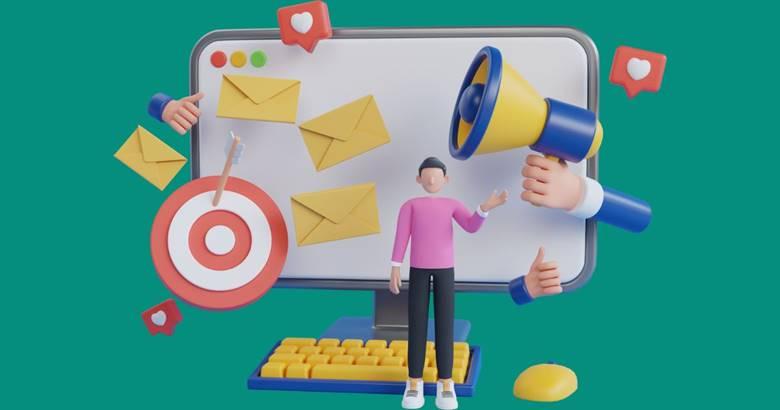
Personalized marketing is a strategy that adapts your marketing efforts to individual customers based on their preferences, behaviors, and past interactions. It can take many forms—personalized emails, product recommendations, or even tailored ads across different channels.
The idea is simple: the more relevant your message, the more likely customers are to respond positively. Research continues to show that personalization not only boosts conversions but also improves the overall customer experience.
The Benefits of Personalized Marketing Supported by Statistics
1. Increased Engagement
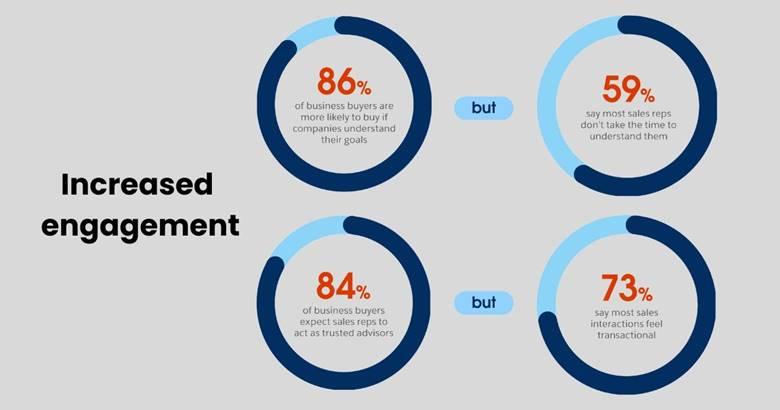
When people feel like a brand understands them, they’re more likely to interact. A Salesforce study found that 84% of customers are more inclined to engage with companies that treat them as individuals rather than just another number.
Something as simple as using customer data to send relevant updates can go a long way in making communication feel more human.
2. Higher Conversion Rates
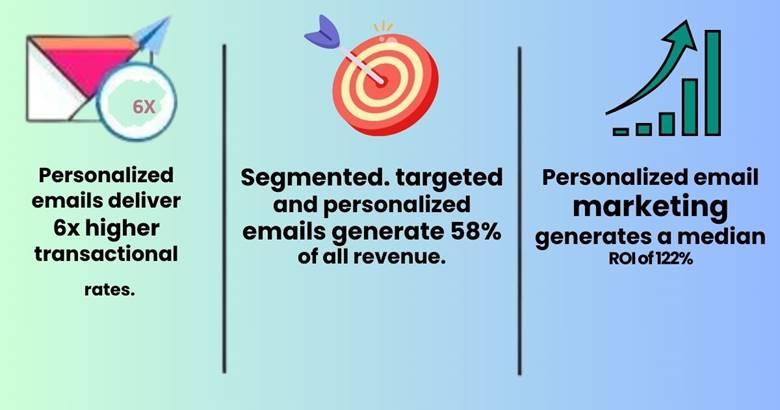
Personalized marketing also drives better results. For example, personalized emails have been shown to generate up to six times more transactions compared to generic ones. Timing and relevance are key—delivering the right message to the right audience at the right time naturally improves the chances of conversion.
3. Higher Customer Retention
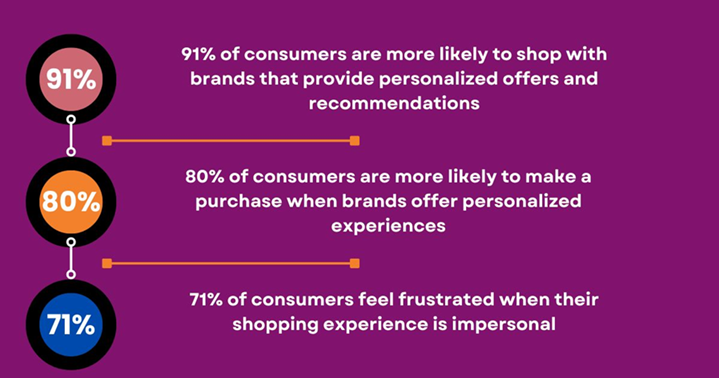
Higher customer satisfaction thanks to personalized experiences can drive customers’ loyalties quite well.
The report by Accenture states that almost 91% of consumers would consider shopping brands offering personalization. This exhibits the significance of personalization in a bid to enhance customer loyalty and ultimately the retention rates of a business.
If you’re considering adding personalization to your marketing, start small—like segmenting your email lists or tailoring product recommendations—and build from there. Over time, these strategies can create a stronger connection with your audience and lead to consistent growth.
Have a look at Product Marketing Strategies with Examples,if you are planning to use this type of marketing more in your business or brand.
6 Best Examples of Personalized Marketing Strategies
Look at these several ways companies are using personalization strategies, supported by real examples and data.
01. Use Personalized Email Marketing to Nature Customers
Email remains one of the most direct and effective places to apply personalization. Instead of sending the same message to thousands of subscribers, brands now segment lists and tailor subject lines, timing, and content.
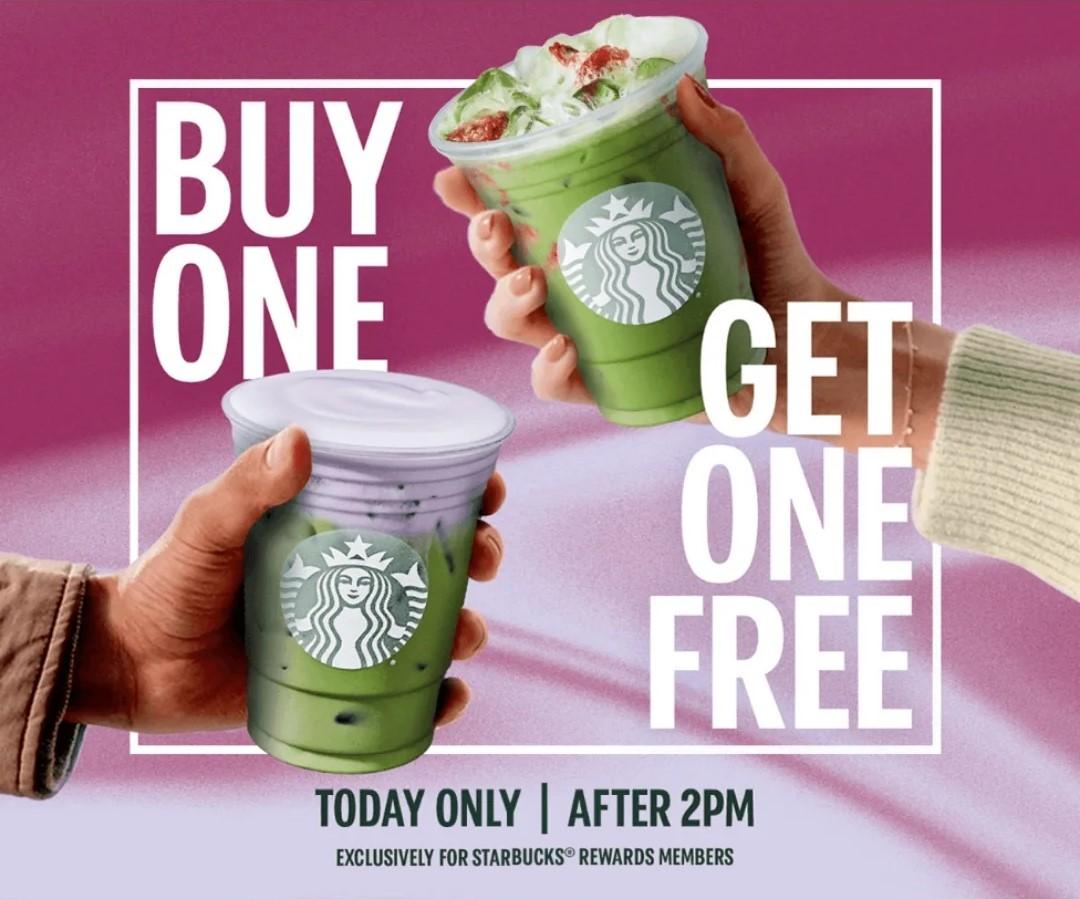
A great example is Starbucks. Through its app and email campaigns, Starbucks sends messages based on each customer’s purchase history, favorite drinks, and even location.
You might receive an email like, “Hi Alex, your favorite Caramel Frappuccino is back—enjoy a free treat this weekend!”or recommendations for drinks similar to what you usually order.
These personalized touches make emails feel relevant and thoughtful, turning standard marketing messages into something customers actually enjoy opening.
Studies back this up: Experian found that personalized emails can generate up to six times more transaction rates compared to standard campaigns. You can look at some of email marketing strategies with examples you can use to make better email campaigns.
For smaller businesses, this doesn’t require complex tools. Even something as simple as inserting a customer’s first name in the subject line or recommending products they recently viewed can increase open and click rates.
02. Give Away Free Personalized Promotional Products
While digital personalization gets the most attention, physical promotional products still play a role.
Companies usually hand out custom printed items—like notebooks, pens, or water bottles—branded with a client’s name or industry-specific messaging.
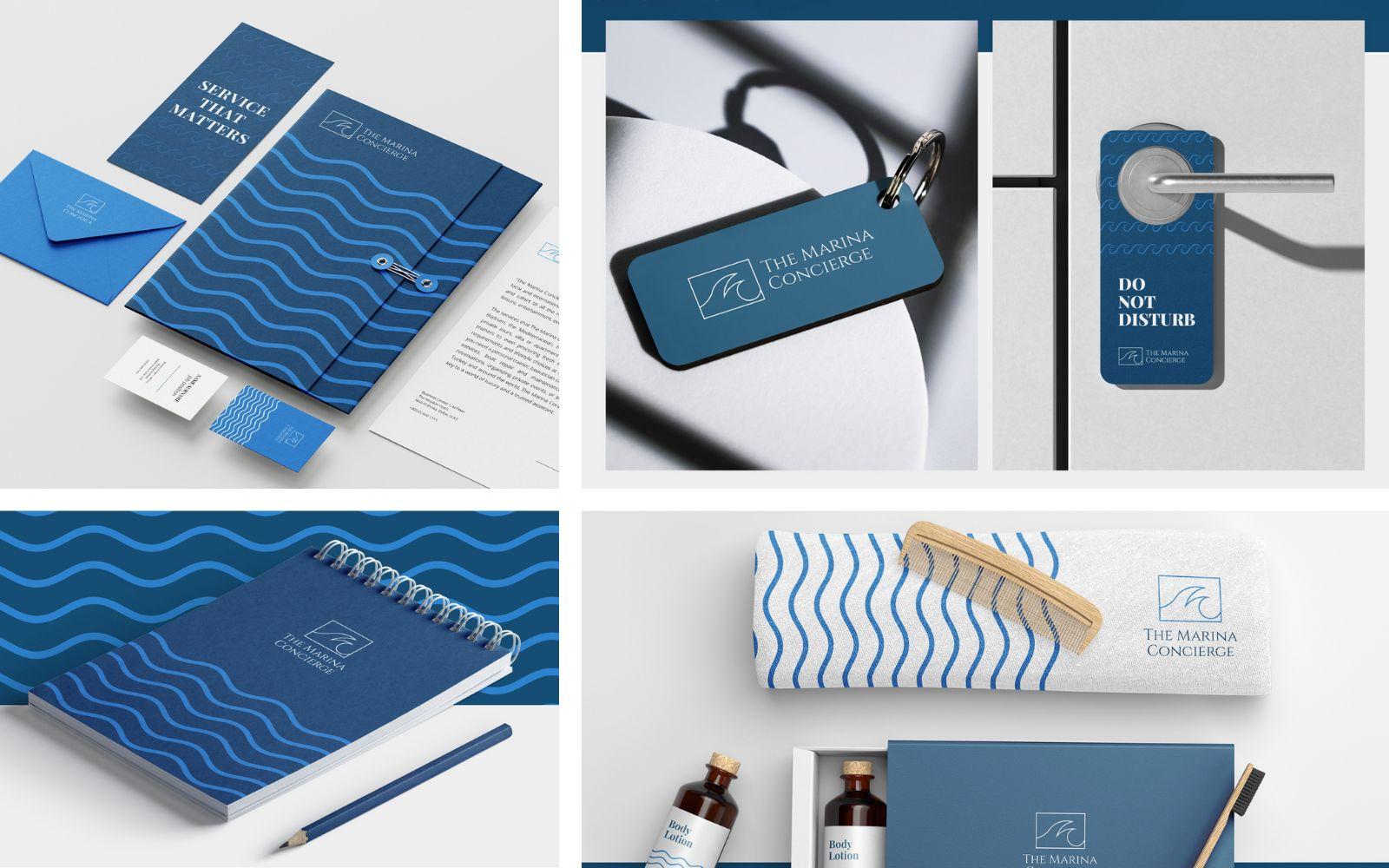
For example, in B2B trade shows, software firms have shifted from generic “swag” to items that actually resonate with the recipient’s daily work, such as branded USB hubs or customized planners.
The Advertising Specialty Institute reports that 85% of people remember the advertiser who gave them a promotional product, and personalized gifts tend to have even higher recall.
This shows that thoughtful, tailored items can keep a brand front of mind long after the first contact.
03. Personalized Video Marketing
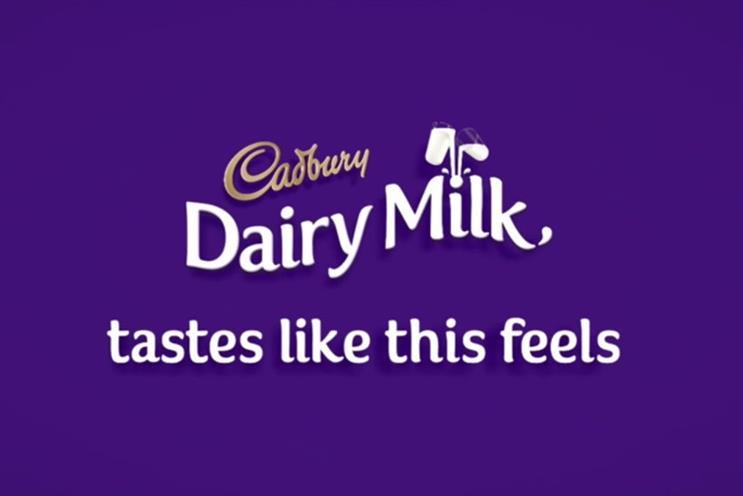
Video is another area where personalization is growing quickly. Instead of one-size-fits-all ads, businesses are creating tailored video content for specific customer groups—or even individuals.
A good example is Cadbury’s “Taste Like Joy” campaign, which generated custom videos for users based on their Facebook data. Viewers saw a personalized story that matched their age, location, and interests, and Cadbury reported a significant increase in click-through and conversion rates.
For B2B, companies like Vidyard and Loom make it possible for sales teams to record quick, personal video messages for prospects, rather than sending cold emails. These short clips often see higher engagement which is why we talked about B2B marketing strategies with examplesyou can use.
04. Hyper-Personalization Marketing
Hyper-personalization takes standard personalization a step further by using real-time data, predictive analytics, and even AI to adapt messages.
Netflix is one of the clearest examples here. Its recommendation engine doesn’t just suggest random shows; it analyzes viewing patterns, location, time of day, and even the type of device used.
According to internal reports, more than 80% of what users watch comes from recommendations, proving how powerful hyper-personalization can be when it’s applied well.
In retail, Amazon has long used predictive algorithms to suggest what customers are likely to buy next, boosting both conversion rates and order value. For smaller companies, hyper-personalization can start with AI chatbots that deliver different answers depending on user behavior.
05. Improve Conversions with B2B Website Personalization
Personalization isn’t only for consumer brands. B2B companies are using dynamic website personalization to improve how they convert visitors into leads.
HubSpot, for example, adapts its website content based on whether a visitor is a first-time visitor, a free user, or an existing customer. New visitors see introductory resources, while paying users are shown relevant case studies or upgrades.
This approach doesn’t require enterprise-level budgets. Tools like Optimizely or Dynamic Yield allow even mid-sized businesses to test different homepage messages, CTAs, or case studies depending on visitor profile.
06. Consider Profiling Customers for Smarter Segmentation
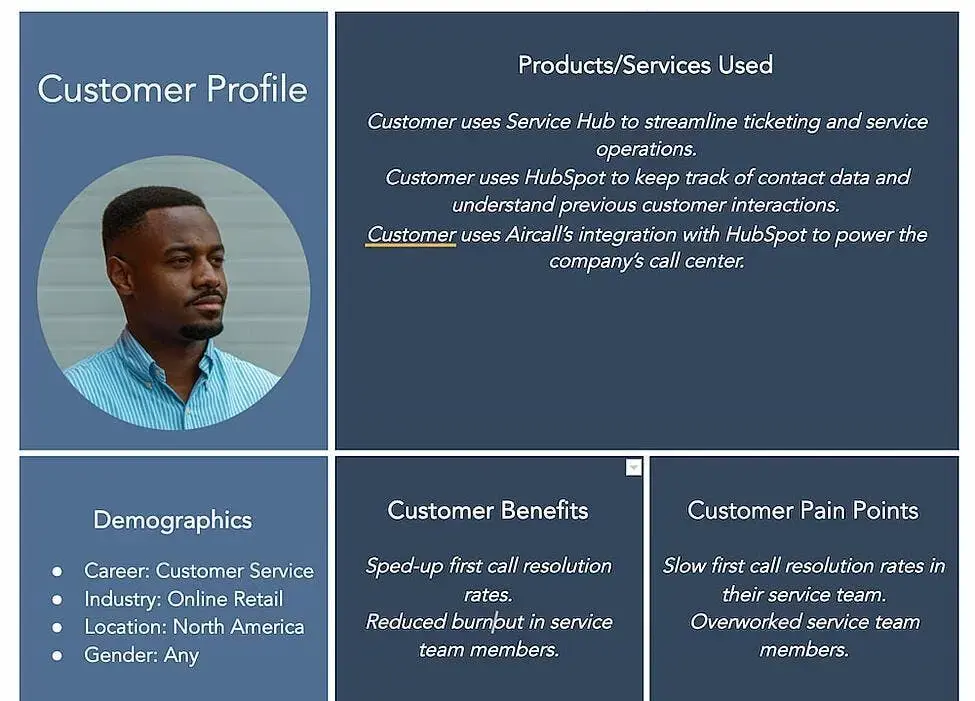
At the foundation of all personalization is knowing your customer. Profiling involves collecting data about behavior, preferences, and needs, then grouping customers into segments.
Mailchimp found that segmented campaigns produce a 23% higher open rate and a 49% higher click-through rate compared to non-segmented sends. The idea is simple: when content aligns with what a group of people actually care about, they’re more likely to engage.
For example, a SaaS company might profile users into categories such as “trial users,” “active subscribers,” and “enterprise accounts,” then deliver messages that speak to their exact stage. Retail brands can do the same with categories like “frequent buyers” versus “first-time visitors.”
07. Boost Sales with Personalized Product Recommendations
E-commerce has been quick to adopt product recommendation engines. Retailers like Zalando and Etsy suggest items based on browsing history, past purchases, or what similar customers are buying.
Barilliance reports that personalized recommendations can generate up to 31% of total e-commerce revenue.
It’s not just about showing “you may also like.” Some stores go further, recommending bundles, upsells, or season-specific items. Shopify store owners often integrate apps that adapt recommendations dynamically.
This both improves the shopping experience and increases average order value.
Conclusion
This strategy can help promote engagement, directly proportional relationships which can be higher conversion rates or customer retention.
Backed up with the recent data and evidence, the marketing strategies that have been discussed on this guide will join the business struggles towards enhanced marketing outcomes.
Including collecting customer data, segmentation, personalizing content and enhancing these with more automation tools will assist organizations in developing better bonds with their clients.

Leave a comment
Your email address will not be published. Required fields are marked *